



24 Sep What’s the buzz around mobile esports?
Last year, the global mobile esports market hit £1.2 billion, up 35 % from the previous year. In the UK, that translates to roughly 3 million active players watching or competing on their phones. The surge isn’t just about numbers; it’s about accessibility. Anyone with a smartphone can now join tournaments that once required expensive rigs.
Which games are driving the mobile scene?
Three titles dominate the charts: Call of Duty: Mobile, PUBG Mobile, and Mobile Legends. Each offers a professional league with prize pools ranging from £10 k to over £200 k. In 2024, the Call of Duty: Mobile Championship drew 12 million concurrent viewers in the UK alone. The key takeaway? If you’re looking to compete, focus on one of these three; they have the infrastructure and audience to support a career.
How do players qualify for tournaments?
Qualification is now more transparent than ever. Most leagues run a tiered system: regional qualifiers feed into the national finals, which then feed into the world championships. A typical path takes about 12 weeks: two regional rounds, one national semi‑final, and the final. Teams can register online for a fee of £25, and the first 50 spots are capped to keep competition tight.
What hardware matters for mobile esports?
Contrary to popular belief, a mid‑range phone can compete with a flagship. What matters most is a 120 Hz display, 5G connectivity, and low‑latency sensors. For example, the Samsung Galaxy S24 Ultra offers 120 Hz, but the iPhone 15 Pro’s 120 Hz and ProMotion technology give it a slight edge in reaction time. Players often pair their phones with a Bluetooth controller to reduce input lag; the Xbox Wireless Adapter for Android drops latency to under 20 ms.
Are there training resources available?
Yes. Several UK‑based coaching platforms have sprung up. ProPlay Academy offers 1‑on‑1 sessions for £35 per hour, while GameGuru UK provides group workshops at £15 per person. Additionally, free YouTube channels like Mobile Esports UK publish weekly strategy guides that break down meta shifts in under ten minutes.
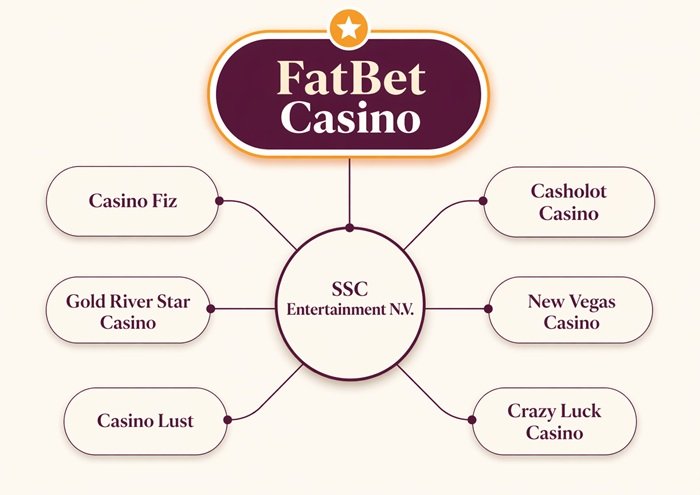
Beyond the competitive side, mobile esports has blurred the line between gaming and general online entertainment. For instance, many streamers now host live Q&A sessions, share behind‑the‑scenes content, and even run interactive polls that let viewers influence in‑game decisions. This crossover has opened doors for brands and content creators to tap into a growing audience that spends an average of 3 hours a week watching mobile esports streams. If you’re looking to explore the broader entertainment landscape, you might find that the same skills that make a good gamer also translate well to engaging online audiences. For example, some streamers partner with fatbet casino to host live gaming nights, blending competitive play with interactive betting elements.
What are the main challenges?
Latency remains a thorny issue, especially for players in rural areas where 5G coverage is spotty. In 2023, 18 % of UK players reported connection drops during high‑stakes matches. Another concern is data usage; a 10‑minute intense session can consume up to 1 GB, which is significant for those on capped plans. Finally, the competitive scene is still nascent, meaning sponsorships and stable income streams are limited compared to PC esports.
What should a UK gamer do next?
- Choose a flagship phone with a high refresh rate and 5G.
- Join a local club or online community to practice regularly.
- Sign up for a regional qualifier to gauge your skill level.
- Invest in a quality controller and monitor your latency.
- Follow top UK streamers to learn the latest meta shifts.
In short, mobile esports is no longer a niche hobby; it’s a growing industry with tangible earning potential. By focusing on the right hardware, training, and competition path, UK gamers can position themselves at the forefront of this exciting movement.
Frequently Asked Questions
What defines mobile esports?
It’s competitive gaming on smartphones, where players watch or compete in live tournaments via mobile apps.
How many UK players are involved?
Approximately 3 million UK users actively watch or compete in mobile esports.
Which games lead the mobile scene?
Call of Duty: Mobile, PUBG Mobile, and Mobile Legends dominate global mobile esports viewership and participation.